
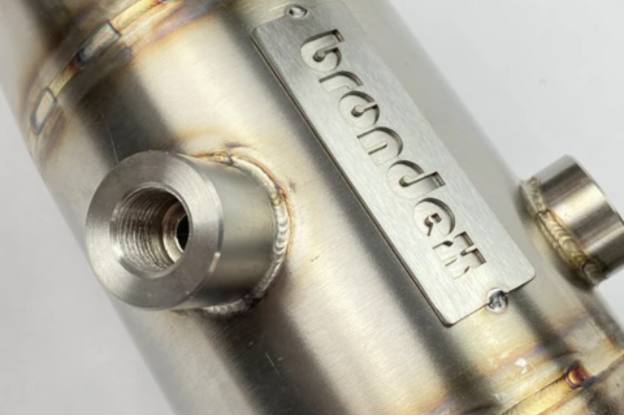
If you’ve ever found yourself falling deeper into the world of performance tuning, you’ve likely stumbled upon this deceptively simple word: downpipe. To the uninitiated, it sounds like something to do with plumbing. To the car-obsessed? It’s the kind of thing that makes you grin stupidly every time you start your car. And I mean really grin.
So, what’s the magic behind this often-overlooked performance part? Let’s break it down, and along the way, I’ll share why it’s become such a popular upgrade—especially among drivers who want their car to sound as good as it performs.
What Exactly Is a Downpipe?
Alright, let’s get the basics out of the way.
In simple terms, a downpipe is the section of exhaust that connects your car’s turbocharger to the rest of the exhaust system. Think of it as the turbo’s gateway to freedom—it’s where the high-pressure, hot exhaust gases escape right after the turbo has done its job. Stock downpipes, especially on modern cars, are usually fitted with restrictive catalytic converters. Why? Emissions. Noise regulations. Comfort. All important, sure—but not exactly thrilling.
Now, swap that restrictive factory pipe with a high-flow or catless aftermarket one, and suddenly your engine can breathe. Less restriction = better flow = more power. Plus, that deep, throaty tone? Yeah, that too.
Why It Matters More Than You’d Think
It’s easy to assume a downpipe is just another bolt-on mod. But it does more than you’d expect.
For turbocharged engines, freeing up that exhaust flow means quicker turbo spool, which translates to faster throttle response. That annoying bit of lag you feel when you slam the gas and wait a second before anything happens? A good downpipe helps fix that.
And the sound—my god, the sound. There’s something primal about it. You’re not just hearing the engine anymore. You’re feeling it. Every rev, every downshift, it resonates.
But here’s the catch: most people don’t see the downpipe. It’s not flashy. There’s no carbon fiber or gloss finish. Yet, those in the know? They respect it. Because it’s one of those rare mods that quietly changes everything without asking for attention.
AMG GT53 and the Case for a Serious Upgrade
Now let’s zoom in a little. Say, for example, you’re lucky enough to own a Mercedes-AMG GT53. Already a masterpiece of engineering—powerful, elegant, and surprisingly practical for a grand tourer. But if there’s one complaint among enthusiasts? It’s that the stock exhaust is just a little… tame.
Enter the amg gt53 downpipe. With this one mod, you wake the beast.
I’ve chatted with a few GT53 owners who’ve made the upgrade, and the verdict is nearly unanimous: they can’t stop driving their cars. The sound becomes intoxicating—a mix of deep rumble and turbo whistle that makes every drive feel like a special event. Not to mention, the boost in performance can shave real seconds off 0–60 times when paired with a proper tune.
It’s like the car finally reaches its full potential. Like it’s been holding its breath all this time.
Street vs. Track: What You Should Know
Look, I get it. Not everyone wants to rattle their neighbor’s windows at 7 AM. And if your car’s your daily driver, you might wonder if a downpipe is too aggressive.
That’s where options come in. Catted downpipes still improve flow but help reduce smell and noise. Some even meet emissions standards in certain regions (check your local laws). Catless versions? Loud. Raw. Not always street-legal, but absolutely bonkers on the track.
There’s also the matter of tuning. Most high-flow or catless setups require a tune. Not just for performance gains, but to keep things safe—think fuel trims, CEL (check engine light), and proper AFR (air-fuel ratio) management. The good news? Modern tuners make this process easier than ever, and some even offer mobile or plug-and-play options.
The Intangibles: Emotion, Sound, Identity
This is where things get subjective. Why do we mod our cars?
For some, it’s numbers—horsepower, torque, 0–60. For others, it’s identity. A reflection of personality. A way to connect with a machine on a deeper level.
A downpipe does something subtle but powerful. It changes your relationship with your car. The moment you hit that start button and hear the engine crackle to life with a newfound growl, you feel it.
You’re not just commuting. You’re piloting. You’re experiencing.
That’s hard to quantify, but it’s real.
Before You Buy: A Few Tips
If you’re thinking of pulling the trigger, a few things to keep in mind:
- Research your platform. Not all downpipes are created equal. Materials, weld quality, fitment—it all matters.
- Check compatibility with tunes. Some downpipes are designed specifically to work with certain ECU flash options.
- Understand the legal side. Not all setups are emissions-compliant. Be smart about your area’s laws.
- Budget for install + tune. Especially with performance German cars, labor can be pricey. Don’t skimp on quality shops.
Final Thoughts: Worth It?
Ask anyone who’s done it, and chances are they’ll say the same thing: “I should’ve done it sooner.”
Sure, it’s not the cheapest mod. But dollar for dollar? It’s easily one of the most impactful—especially on turbocharged platforms. It unlocks performance, changes sound, and makes you feel more connected to your car.
And sometimes, that’s all we’re really after.
Just that little extra reason to go for a late-night drive, windows down, letting the car sing.
Because when it sounds that good, you don’t need a destination.
